
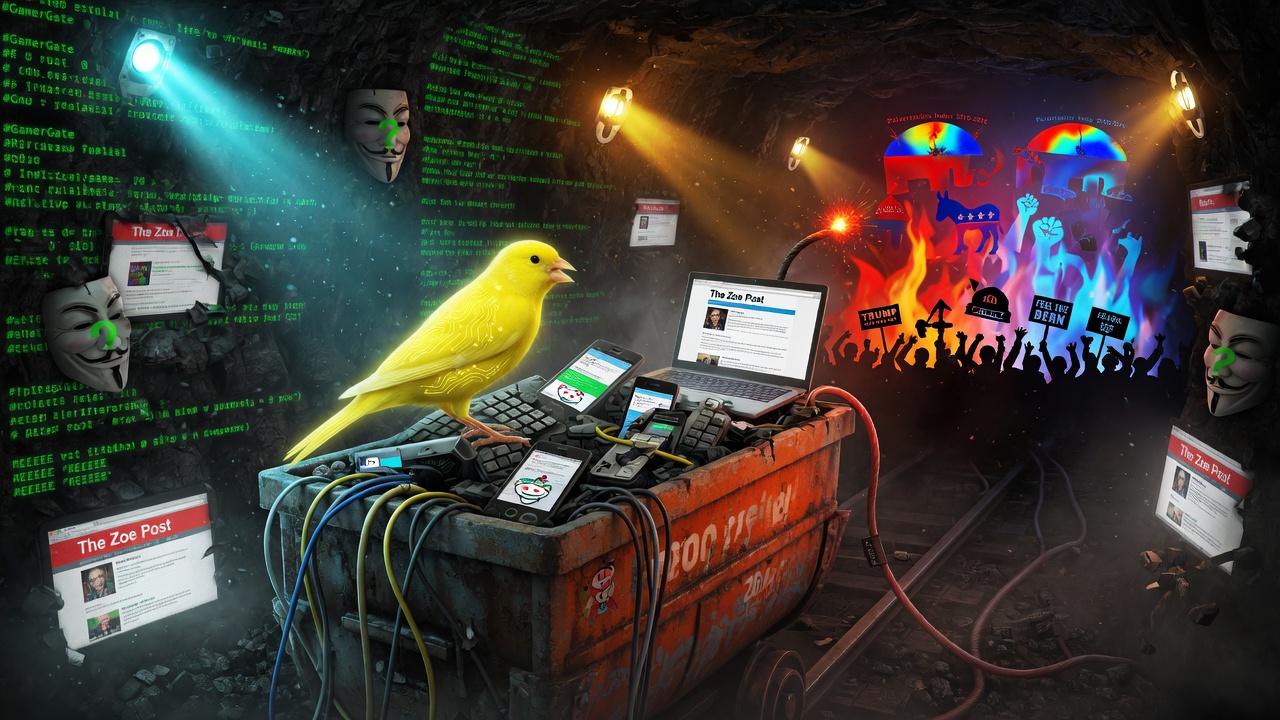
The Canary in the Digital Coal Mine: How GamerGate Redesigned the Real World
In August 2014, an independent game developer named Zoë Quinn became the target of an unprecedented online mobbing campaign following a lengthy blog post by their ex-boyfriend, Eron Gjoni, titled "The Zoe Post." This post falsely implied that Quinn had exchanged sexual favors with Kotaku journalist Nathan Grayson to secure a positive review for their 2013 text-focused interactive fiction game, Depression Quest. Despite the fact that Grayson never actually reviewed any of Quinn's games, and his only mention of them occurred before their relationship even began, the fabricated narrative spread rapidly across anonymous internet forums. What initially presented itself to the public under the thin veneer of a consumer movement demanding "ethics in games journalism" quickly exposed its true nature as a coordinated campaign of structural misogyny, doxing, and terror.
As the hashtag #Gamergate was coined on August 27, 2014, by actor Adam Baldwin, it served as a unifying banner for an aggressive culture-war backlash against diversity, feminism, and progressive critique within gaming. Under this banner, bad-faith actors deployed highly coordinated swarm tactics across anonymous message boards like 4chan, 8chan, and Reddit. These decentralized groups targeted prominent women in the industry—including media critic Anita Sarkeesian and developer Brianna Wu—with relentless rape threats, death threats, and doxing, forcing victims to flee their homes in fear for their lives. Rather than a localized dispute over video game reviews, GamerGate functioned as a critical historical inflection point: the moment when the weaponized mechanics of online harassment were perfected, packaged, and ultimately exported to redesign the landscape of real-world politics.
- GamerGate began in August 2014 based on entirely false allegations regarding a conflict of interest over the game Depression Quest.
- The claim of promoting 'ethics in games journalism' was widely dismissed as a bad-faith cover for systemic misogyny and harassment.
- Harassment was coordinated across anonymous boards like 4chan, 8chan, and Reddit using swarm tactics to evade individual accountability.
- Political opportunists like Steve Bannon recognized the potential of this online army, using Breitbart to turn gamer grievances into a recruitment pipeline for the alt-right.
- The tactics perfected during GamerGate became the template for modern political polarization, digital radicalization, and the rise of the MAGA movement.
The Spark: Depression Quest and the Fabrication of a Scandal
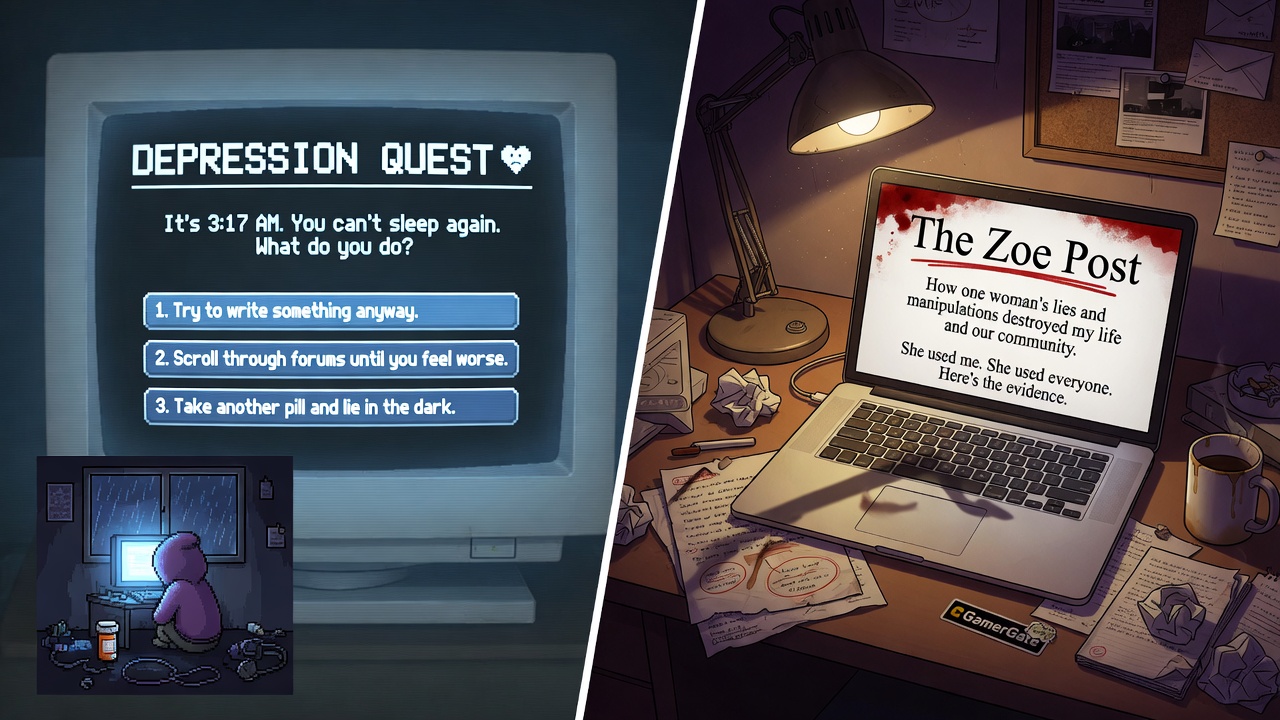
The weaponized tactics of digital harassment were first systematically engineered, tested, and scaled. To understand how this infrastructure was built, one must look at the highly manufactured spark that ignited it: a targeted campaign against an independent game developer that relied on outright fabrication.
A Departure from the Norm: Depression Quest
In 2013, independent developer Zoë Quinn released Depression Quest, a text-focused interactive fiction game designed to convey the heavy, debilitating experience of living with depression, drawing partly on Quinn's own life. When the game debuted more widely on Steam in August 2014, it received positive reviews from critics who appreciated its narrative empathy. However, it also attracted a vocal backlash from pockets of the gaming community who rejected the game simply because it departed from traditional, violent, or skill-based gameplay formats.
The Anatomy of a False Accusation
This simmering resentment was weaponized in August 2014 when Quinn's former partner, Eron Gjoni, published "The Zoe Post"—a lengthy, deeply personal blog post detailing their breakup. The post falsely implied that Quinn had leveraged a sexual relationship with gaming journalist Nathan Grayson to secure a favorable review for Depression Quest.
The central premise of this accusation was entirely fabricated. Grayson never actually reviewed any of Quinn's games. Furthermore, his only article on the gaming site Kotaku that even mentioned her work was published before their personal relationship had ever begun. Gjoni himself later admitted that he had no evidence of any sexual conflict of interest. Despite the complete absence of factual backing, the narrative of a corrupt, compromised gaming press trading sexual favors for positive coverage was quickly seized upon, providing a convenient ethical cover for a coordinated campaign of misogynistic harassment.
The Ethics Shield: Weaponizing a Hashtag and a Culture War
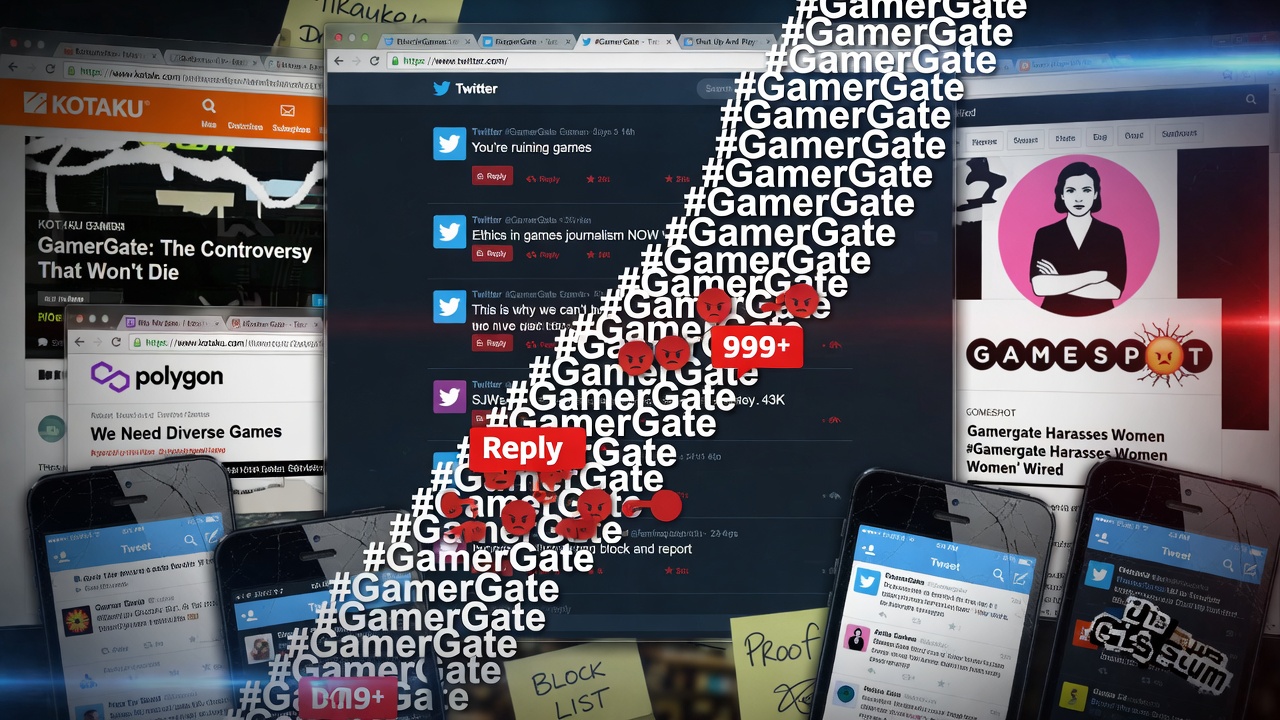
This manufactured outrage found its formal banner on August 27, 2014, when actor Adam Baldwin coined the hashtag #GamerGate. Leveraging his audience of nearly 190,000 Twitter followers, Baldwin amplified the burgeoning movement, which was quickly popularized and legitimized by Milo Yiannopoulos at Breitbart. What followed was a highly coordinated campaign masquerading as consumer advocacy.
Proponents of the hashtag claimed their crusade was about promoting ethics in video game journalism and protecting traditional gamer identity against the perceived threat of political correctness, feminism, and "social justice warriors." However, these claims have been widely dismissed by researchers and media analysts as a baseless pretext—a tactical cover designed to sanitize and obscure a campaign of targeted, misogynistic harassment.
The reality of this "ethical" campaign was felt directly by prominent women in the industry. Following the release of a new Tropes vs. Women in Video Games episode in August 2014, media critic Anita Sarkeesian became the target of renewed, highly coordinated hostility. She faced explicit rape and death threats, and her private home address was leaked, forcing her to flee her home for her own safety. The terror campaign culminated later that autumn when Sarkeesian was forced to cancel a scheduled lecture at Utah State University; the university had received anonymous threats of a mass shooting referencing the Montreal Massacre, warning that the perpetrators were armed and prepared to act.
The Swarm: How Decentralized Message Boards Engineered Modern Harassment
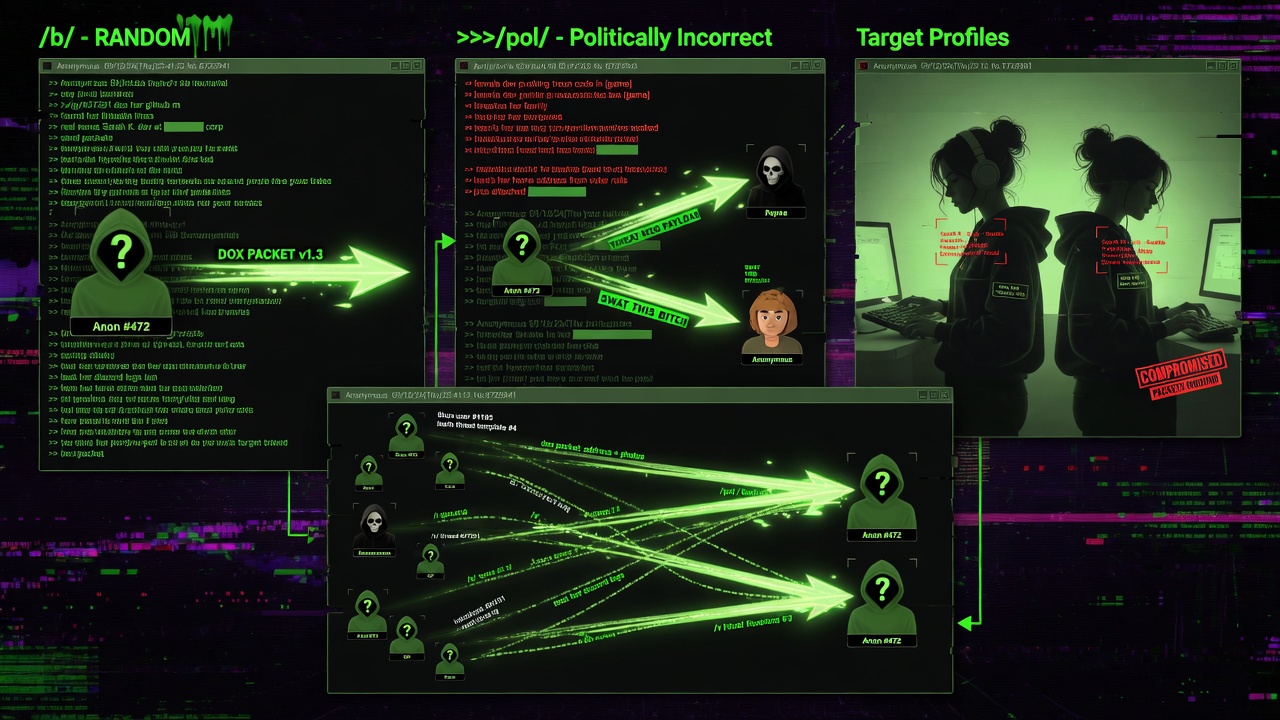
While these public campaigns of terror appeared chaotic and organic from the outside, they were actually the output of a highly structured, decentralized harassment engine. This swarm operated across an interconnected web of anonymous message boards, including 4chan’s video game board /v/, 8chan (which became the movement's primary haven after 4chan instituted bans), Reddit hubs like KotakuInAction, and private IRC channels.
Within these digital spaces, anonymity functioned as both a weapon and a shield. Users coordinated targeted operations while completely evading individual accountability. The swarm relied on a specific toolkit of asymmetric digital warfare: creating armies of sockpuppet accounts to artificially inflate their numbers, compiling blacklists of target developers and critics, drafting standardized email templates to pressure advertisers, and executing coordinated doxing, account hacks, and rape or death threats.
The human toll of this coordinated machinery was devastating. Game developer Brianna Wu and several other prominent industry figures were doxxed on 8chan, receiving a barrage of highly specific threats that forced them to flee their homes and later resulted in clinical diagnoses of post-traumatic stress disorder (PTSD). For those at the epicenter, the escalation was staggering; less than four months after the campaign began, Zoë Quinn's record of threats received had grown 1,000-fold, demonstrating the terrifying efficiency of a decentralized mob when weaponized against a single individual.
The WoW Blueprint: How Steve Bannon Discovered 'Monster Power' in the Digital Wasteland
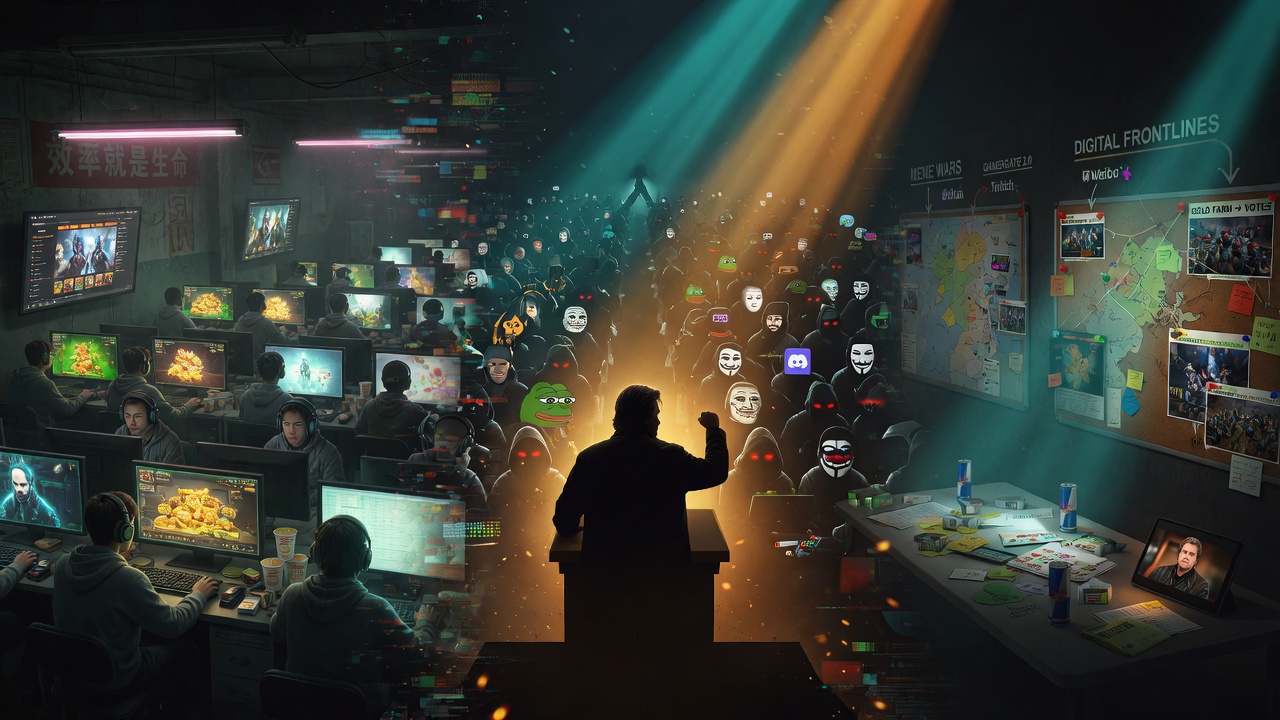
This terrifyingly effective, decentralized harassment engine did not emerge in a vacuum. It was recognized, studied, and ultimately weaponized by political opportunists who saw the chaotic energy of disgruntled online subcultures as raw, untapped political capital.
Years before the #GamerGate hashtag was ever coined, Steve Bannon discovered the underlying dynamics of this online ecosystem through an unlikely medium: World of Warcraft. While serving as vice chairman of Internet Gaming Entertainment (IGE)—a company that secured $60 million in venture funding to employ low-wage Chinese workers to farm virtual gold and sell it to Western players—Bannon witnessed firsthand the intense, coordinated backlash of the gaming community against what they saw as an intrusion into their digital sanctuary.
This intense gamer backlash was not a deterrent to Bannon; it was a revelation. He realized that these alienated, highly connected, and fiercely defensive individuals could be organized. Reflecting on this community, Bannon later observed, "These guys, these rootless white males, had monster power. ... It was the pre-reddit." He recognized that the intense, obsessive focus previously spent on virtual gold-farming and forum warfare could be redirected toward real-world cultural grievances.
The Breitbart Blueprint: Harnessing the Troll Army for the Alt-Right
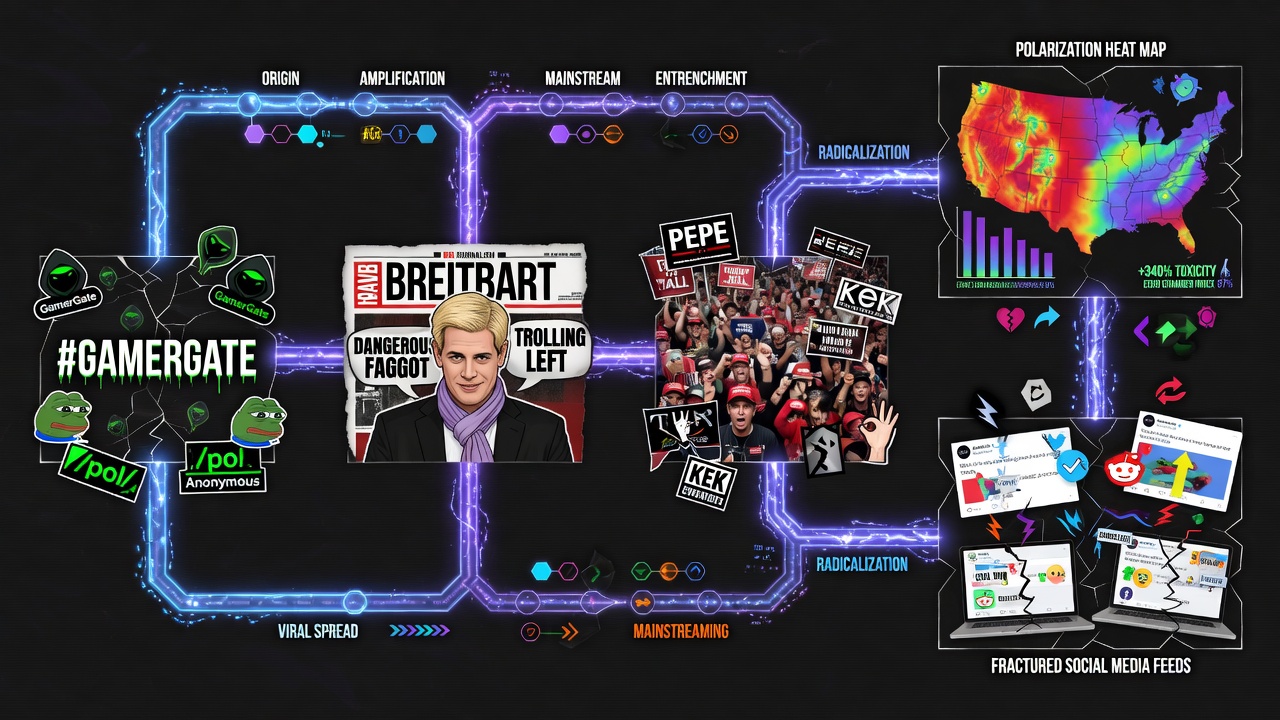
To turn this untapped digital energy into political capital, Steve Bannon leveraged his position at Breitbart News, deploying editor Milo Yiannopoulos to systematically validate gamer grievances. Under the thin veneer of defending gaming culture and "ethics in journalism," Yiannopoulos gave a mainstream platform to what had been fringe, anonymous outrage. By framing the backlash against diversity and progressive critiques as a heroic struggle against the "social justice warrior" (SJW) establishment, Breitbart mapped localized gaming grievances directly onto broader, anti-feminist culture-war politics.
This was not a passive observation; it was a deliberate strategy of radicalization. Bannon recognized that the highly motivated, aggressive user base cultivated during the campaign could be converted into a potent political weapon. He later explained the recruitment pipeline clearly: "You can activate that army. They come in through Gamergate or whatever and then get turned onto politics and Trump."
As a result, the 2014 manufactured crisis in the gaming community became the ultimate testing ground for modern political polarization. Commentators have noted that "this hashtag was the canary in the coalmine, and we ignored it," signaling how the tactics of GamerGate would soon scale to reshape the global political landscape. The decentralized swarm became a blueprint for far-right and MAGA online organizing, establishing a highly effective playbook of coordinated harassment, weaponized memes, and bad-faith conspiracy campaigns.
Ultimately, GamerGate served as a highly effective recruiting tool for the growing alt-right movement and helped spur online conspiracy theories. The tactics perfected during this campaign—such as flooding the digital zone with false allegations and exploiting systemic media-literacy failures—exposed how easily online anonymity and bad-faith shields could be weaponized to destabilize democratic discourse and redesign the real world.
Key Takeaways
Discover how Big Fat Games helps developers build resilient, high-performance multiplayer experiences with Unity URP and Fish-Networking by visiting our tools library today.